
The Mardi Gras season is a time for joyous celebration, colorful parades, and vibrant cultural traditions. However, a recent product has sparked controversy and raised concerns about cultural appropriation.
A door mat featuring the design of a popular Mardi Gras symbol has drawn criticism for its potential disrespect to the cultural significance of the celebration. The mat, which is being sold by Yameiju Lawn, a company based in Linyi City, China, features the iconic design of Mardi Gras beads and masks, traditionally associated with the festive and lively atmosphere of the annual event.
The controversy surrounding the Mardi Gras door mat has ignited discussions about the appropriate use of cultural symbols and the need for sensitivity and respect towards the traditions of different communities. Critics have argued that the commercialization of cultural symbols for profit without proper understanding or respect for their cultural significance can perpetuate harmful stereotypes and contribute to the erasure of marginalized communities' identities.
In response to the backlash, Yameiju Lawn has issued a statement acknowledging the concerns raised by the public and expressing their commitment to addressing the issue. The company emphasized its dedication to promoting cultural diversity and inclusivity, stating that it had no intention of causing offense or disrespect.
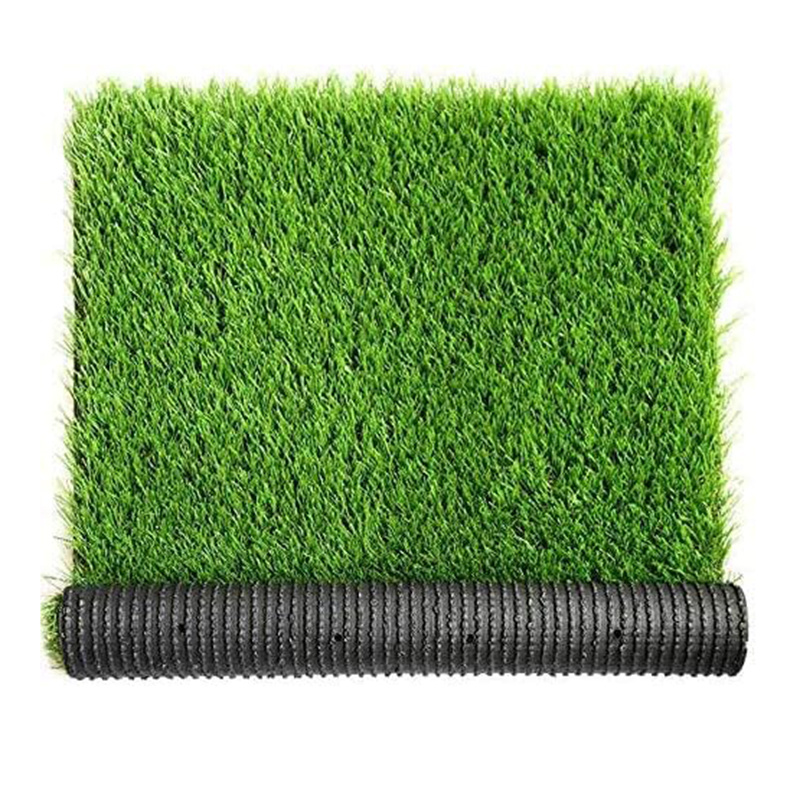
Yameiju Lawn, which specializes in developing, producing, and selling various artificial turf and mats, including friction pads, seven stripes, mud scraping pads, and diatom mud, operates from a large modern production base spanning over 20,000 square meters. The company's products are distributed globally, catering to a wide range of customers and markets.
The controversy surrounding the Mardi Gras door mat serves as a reminder of the importance of fostering cultural sensitivity and understanding in the production and consumption of consumer goods. It highlights the need for companies to conduct thorough research and engage in meaningful dialogue with relevant communities to ensure that their products are respectful and considerate of cultural traditions and symbols.
Furthermore, the incident underscores the significance of promoting diversity and inclusivity in all aspects of business, from product development to marketing and sales. Companies have a responsibility to uphold ethical standards and respect the cultural heritage and traditions of different communities, particularly when incorporating cultural symbols and imagery into their products.
As discussions continue around the Mardi Gras door mat controversy, it is crucial for companies to prioritize cultural awareness and sensitivity in their product development and marketing strategies. By demonstrating a commitment to understanding and respecting diverse cultures, businesses can contribute to creating a more inclusive and respectful global marketplace.
In conclusion, the Mardi Gras door mat controversy has raised important questions about the responsible use of cultural symbols in consumer products and the need for greater cultural sensitivity in the business world. Yameiju Lawn's response to the criticism and its commitment to addressing the issue provide an opportunity for reflection and dialogue on the importance of upholding cultural respect and inclusion. As the discussion evolves, it is essential for companies to prioritize ethical and considerate practices in their engagement with cultural symbols and traditions.